Things to Do in Norway
Glaciers, cod tongues, and midnight sun that rewires your sense of time
Top Things to Do in Norway
Find activities and tours you'll actually want to do. Book through our partners -- no booking fees.


Plan Your Trip
Essential guides for timing and budgeting
Climate Guide
Best times to visit based on weather and events
View guide →Day Trips
The best excursions and nearby destinations worth the journey
Explore day trips →Where to Stay
Best neighbourhoods, hotel picks, and booking tips
Find hotels →Travel Insurance
What's required, what coverage matters, and how to get a quote
Read guide →What to Pack
Climate-specific gear, essentials, and what to leave at home
See packing list →Before you go, read our Norway safety guide for neighbourhoods to know, emergency numbers and current official travel advice.
When Should You Visit Norway?
Tap a month for weather, crowds, and highlights
View full year-round climate guide →Your Guide to Norway
About Norway
Norway greets you with cold air that makes your teeth ache when you step off the Oslo-Gardermoen train. Within sixty minutes you're cradling 45 NOK ($4.20) filter coffee from Tim Wendelboe in Grünerløkka. Locals glide past on bikes beside 19th-century brick factories reborn as vinyl shops and craft breweries. Mathallen food hall sells reindeer salami for 89 NOK ($8.30) and fermented shark that smells exactly like what it is.
Northbound, Bergen's Bryggen wharf leans like drunk sailors above the harbor. Hanseatic warehouses glow in dried blood and mustard tones. The Fløibanen funicular hauls tourists up 320 meters for 140 NOK ($13) while locals ride it for morning runs. The fjords deliver. Geirangerfjord's waterfalls drop half a kilometer in single silver threads.
The boat from Hellesylt to Geiranger costs 345 NOK ($32) and throws spray on your face plus glacier water on your lips. Lofoten's red rorbuer huts against granite peaks look photoshopped even in real life. The 180 NOK ($17) fish soup in Reine tastes like ocean distilled to its essence. Everything costs twice what you expect.
That midnight sun in Tromsø during June turns the world honey-colored at 2 AM. You cannot tell if you're euphoric or just severely sleep-deprived. It is priceless.
Oslo is a city of small, consequential choices, east bank or west along the Akerselva, the Bygdøy museum peninsula by ferry or a slow walk up the opera house roof, whether the Oslo Pass pays for itself on a two-day visit, and TTDI's Oslo dispatch works through each one at street level while this page keeps to the country at large.
Travel Tips
Transportation: The Norway in a Nutshell tour is touristy but worth it. 1,899 NOK ($177) buys train from Oslo to Flåm, fjord cruise, then bus to Bergen. Download the Entur app for real-time transport across buses, trains, and ferries. The 7-day Flexi youth pass (16-30 years) costs 1,190 NOK ($111) and covers trains nationwide. Skip the airport train from Oslo-Gardermoen (196 NOK/$18). The Flybussen bus runs every 15 minutes for 179 NOK ($17) and takes the same 45 minutes. In Lofoten, rent a car in Svolvær (roughly 650 NOK/$61 daily). Buses exist but run twice daily. You will spend half your trip waiting at stops.
Money: Norway runs almost entirely cashless. Even street vendors take cards. The 50 NOK ($4.70) minimum card charge is loosely enforced. Grab a 30 NOK ($2.80) chocolate bar at 7-Eleven if you need to hit it. VAT refund exists but requires 315 NOK ($29) minimum purchase in one store. Skip it unless you're buying serious winter gear. Bank ATMs charge 10 NOK ($0.94) withdrawal fees. Use Forex ATMs at airports instead. Tipping isn't expected. Rounding up 10% in restaurants is appreciated. Service charges are included. Don't feel obligated to add more unless service was exceptional.
Cultural Respect: Norwegians queue like the British queue. Cutting in line for the 8:15 bus from Flåm earns actual glares. Remove shoes when entering homes. You'll see piles of shoes outside student apartments. The Janteloven (Law of Jante) means Norwegians understate everything. When they say "not bad" about the Northern Lights, they're losing their minds inside. Don't photograph people without asking. This matters in Sami areas near Tromsø. Sunday is sacred quiet time. Don't do laundry after 10 PM or vacuum before 8 AM. In Oslo's Grünerløkka and Bergen's Sandviken, a simple "hei" works for greeting. Rural areas appreciate more formal "god dag."
Food Safety: That brown cheese (brunost) tastes like caramelized fudge. Try it on warm lefse bread from Deli de Luca in Oslo for 35 NOK ($3.30). Street food is safe but expensive. A pølse (hot dog) costs 45 NOK ($4.20) from Narvesen kiosks. The real move is grocery shopping. Rema 1000 sells frozen cod tongues for 89 NOK ($8.30). Pan-fry them and they taste like oceanic chicken nuggets. In Bergen's fish market, the 180 NOK ($17) fish soup is tourist-priced. Walk ten minutes to Fisketorget's indoor stalls. Locals pay 120 NOK ($11) for the same thing. Tap water is glacier-quality everywhere. Bring a bottle and fill up. The fermented trout (rakfisk) in Valdres during November requires actual courage.
When to Visit
May through September is the sweet spot. Details matter more than headlines. May brings 15-20°C (59-68°F) days and snowmelt waterfalls that thunder like freight trains down fjord walls. Geiranger opens mid-May and hotel prices drop 30% before June 15th. June delivers the midnight sun north of the Arctic Circle. Tromsø gets 24-hour daylight from May 20-July 22.
Temperatures hover around 13-18°C (55-64°F). July is peak everything. 20-25°C (68-77°F) in Oslo. Bergen packed shoulder-to-shoulder with cruise passengers. Hotel rates jump 40-60% across the board. August rains return. Bergen averages 190mm (7.5 inches). Hiking trails are snow-free. The Hurtigruten coastal ferry still costs 3,490 NOK ($325) for the full 6-day Bergen-Kirkenes route.
September brings autumn colors and mushroom season. Lofoten's cod fishing starts mid-September. The air fills with salt and diesel from working boats. October means 5-10°C (41-50°F) days and Northern Lights season beginning in Tromsø. Daylight shrinks to 6-8 hours. November through March is proper winter. -5 to -15°C (23-5°F) in Oslo. -10 to -25°C (14 to -13°F) in Tromsø.
The Northern Lights dance 200+ nights. Hotel prices drop 50%. April is the wildcard. 4-12°C (39-54°F). Snow still clings to mountains. Whales arrive off Andenes. The Lofoten Stockfish Museum opens for spring. Budget travelers should hit shoulder seasons (mid-May, early September). Accommodation costs 30-40% less. The weather hasn't turned vindictive yet.
Frequently Asked Questions
What Are the Visa Requirements for Norway?
Most visitors need a Schengen visa to enter Norway, which allows stays up to 90 days within a 180-day period. You'll need a passport valid for at least three months beyond your departure date, proof of accommodation, return flight tickets, travel insurance covering €30,000 minimum, and evidence of sufficient funds (typically around €100 per day). UK, US, Canadian, Australian, and many other passport holders can enter visa-free for tourism.
When Is the Best Time to Visit Norway?
June through August offers the warmest weather (15-25°C), midnight sun in the north, and accessible hiking trails. But expect higher prices and crowds. For northern lights, visit between late September and March, Tromsø sees peak aurora activity from December to February. May and September are good for fewer tourists and lower accommodation costs, though mountain routes may still be snowbound in May.
What Is Norwegian Food Like?
Norwegian cuisine centers on seafood, fresh salmon, cod, and king crab, plus game meats like reindeer and moose. You'll find brown cheese (brunost) at every breakfast buffet, open-faced shrimp sandwiches at harbourside stalls, and traditional dishes like fårikål (lamb and cabbage stew) in autumn. Dining out is expensive; a restaurant main course typically runs 200-350 NOK (€18-32), while grocery stores offer good-quality prepared meals for a third of that.
What Is Norway Like in April?
April is shoulder season, Oslo and coastal areas see temperatures around 5-10°C with frequent rain, while northern regions and mountains remain snow-covered. It's excellent for late-season skiing at resorts like Trysil and Hemsedal, which stay open through late April, and you'll avoid summer crowds at popular fjord viewpoints. Pack layers and waterproofs. Spring weather shifts quickly.
What Documents Are Required for a Norwegian Visa in 2026?
The standard Schengen visa application requires your passport (with two blank pages and validity extending three months past your trip), a completed application form, one recent passport photo, proof of travel insurance, confirmed accommodation bookings, round-trip flight reservations, and bank statements from the last three months showing adequate funds. Processing typically takes 15 working days, so apply at least three weeks before departure.
Where Are the Best Golden Trout Walks in Norway in July?
Hardangervidda plateau, Europe's largest mountain plateau, offers exceptional golden trout fishing in July when snowmelt fills the lakes and streams. The marked trail from Finse to the Mårbu lakes passes prime fishing spots, and you don't need a national license, only a local permit available at staffed tourist lodges. Alternatively, the Jotunheimen range around Gjende lake sees excellent trout fishing along the Besseggen ridge trail.
When Is the Best Time to Travel to Norway?
Late June through early August maximizes daylight and warm weather, with July being peak season for hiking, fjord cruises, and coastal travel. Winter sports enthusiasts should target January through March for reliable snow and northern lights visibility. Budget travelers get better deals in May or September, when hotel rates drop 20-30% and most attractions remain open, though some mountain roads won't be clear until mid-June.
What Is Norway Like in August?
August brings reliable weather, Bergen averages 16°C, Oslo reaches 19°C, and extended daylight, though the midnight sun ends in northern Norway by early August. It's prime hiking season with dry trails and open mountain huts. But accommodation books up fast, around Geirangerfjord and Lofoten. Berry picking (blueberries and cloudberries) peaks mid-August, and you'll catch the tail end of salmon fishing season.
How Long Does Norway Visa Processing Take?
Standard Schengen visa processing for Norway takes 15 calendar days from your biometrics appointment, though the embassy advises applying up to six months in advance and no later than 15 working days before travel. Complex cases or peak summer application periods can extend processing to 30-45 days. You can track your application status online through the VFS Global portal if applying from India, or through the relevant consulate website elsewhere.
Do I Need a Guarantee Letter for a Norway Schengen Visa?
A guarantee or sponsorship letter isn't required for tourist visas if you're funding your own trip. But it strengthens your application if a Norwegian resident is hosting you. The letter should state their full name, address, relationship to you, and confirmation they'll cover accommodation or living costs, along with copies of their passport and proof of residence. If you're self-funding, bank statements showing €100+ per day of your stay are typically sufficient.
How Much Does It Cost to Travel in Norway?
Norway ranks among Europe's most expensive destinations, budget around €100-150 per day for hostels, supermarket meals, and public transport, or €250-400 daily for mid-range hotels and restaurants. A beer costs 90-110 NOK (€8-10) in Oslo bars, while a simple cafe lunch runs 150-200 NOK. The Norway in a Nutshell rail-and-ferry route costs around 2,000 NOK (€180), but booking individual legs separately can save 20-30%.
Is It Easy to See the Northern Lights in Norway?
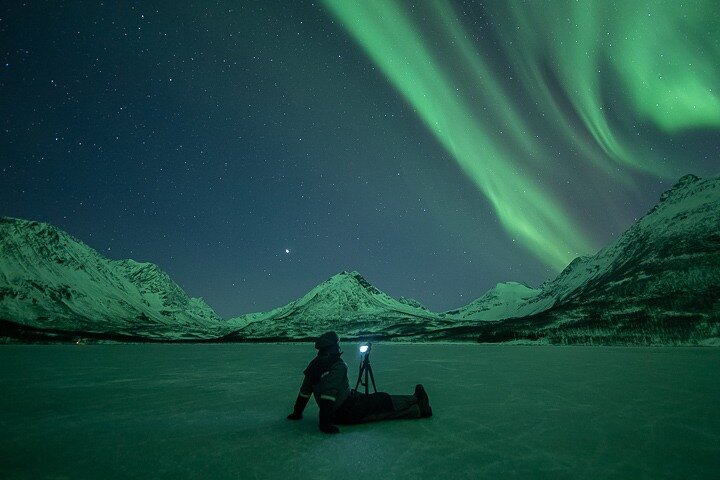
Tromsø, Alta, and the Lofoten Islands offer strong aurora viewing odds from late September through March, with December and January seeing the most frequent displays. You need clear skies and minimal light pollution, head away from town centers, and check the aurora forecast (0-9 scale; anything above 3 is promising). Organized tours cost 800-1,200 NOK but include transport to optimal viewing spots and photography guidance.
More Ways to Experience Norway
Tours, day trips, and local experiences curated by on-the-ground operators.
Didn't see anything interesting yet?
Browse Viator's full catalog of tours, day trips, food experiences, and private guides in Norway.
See All Norway Tours on Viator