Nightlife in Norway

Nightlife in Norway

Where to go, what to expect, and how to stay safe after dark

Norway after dark is a deliberate contradiction. Alcohol costs more than almost anywhere else in Europe. Yet locals still manage to have an exceptionally good time. They cracked the code long ago with the vorspiel, the pre-party hosted at someone's apartment before hitting the bars. This softens the financial blow and makes the crawl feel like a natural extension of an evening already in progress. By the time Oslo's Grünerløkka fills up around midnight, everyone's already in the right mood. Oslo shoulders most of the country's nightlife. It has late-night energy, a craft beer scene that punches above its size, and clubs that run until the small hours on weekends. Bergen moves to a mellower rhythm. It's a university city with a compact bar strip and a folk-music undercurrent that surfaces in unexpected places. Trondheim and Stavanger serve as secondary cities with loyal local scenes but modest ambitions by capital standards. What surprises first-timers is how orderly and good-natured the whole thing is. There's drinking, sometimes a lot of it. But the aggressive edge you might encounter elsewhere in Europe is mostly absent. Norwegians stay reserved until they aren't. By midnight on a Saturday in Oslo, they very much aren't.

Bar Scene

What to expect when you head out for drinks.

Norway's bar scene leans hard into craft beer and cocktail bars. A handful of wine-focused spots and old-school pubs are scattered through Oslo and Bergen. The craft brewery movement took hold here with conviction. Bars along Oslo's Torggata corridor pour rotating taps from small Norwegian producers alongside well-curated international selections. Cocktail bars in the Aker Brygge waterfront area and around Youngstorget favor polished Nordic minimalism. Think concrete, low lighting, and bartenders who treat the work like a craft. Dive bars exist but are rarer than in most comparable cities. The economics push most places toward at least a middling level of presentation.

$$$
Norwegian craft brewery taprooms with rotating seasonal and local releases Nordic-concept cocktail bars emphasizing aquavit and foraged botanicals Cozy neighborhood pubs in Grünerløkka draw loyal regulars. The mood is unpretentious and welcoming.

Clubs & Live Music

The dance floors and live stages worth knowing about.

Active scene

Oslo has a legitimate club scene packed around Youngstorget and Grünerløkka. Venues spin electronic music, hip-hop nights, and occasional pop events through the weekend. The electronic scene is the most developed. Norway has produced a handful of internationally recognized DJs and producers, and Oslo's better clubs reflect that lineage. Expect serious sound systems and bookings that snag talent from the broader Nordic circuit. Bergen's club scene is smaller but leans into its folk and indie heritage. You're more likely to stumble into a good live band than a proper DJ night. Trondheim's student population keeps a handful of venues busy year-round. Live music venues in Oslo, around Vulkan and Hausmanns gate, host Norwegian acts across rock, jazz, and folk with enough frequency that there's almost always something worth catching on a weekend.

Rockefeller Music Hall in Oslo is the city's prestige live venue for mid-size acts. Jaeger in Oslo's Youngstorget anchors the electronic scene. It's known for long nights and quality bookings. Garage in Bergen is a storied rock venue that has hosted Norwegian and international acts for decades.

Late-Night Food

Where to eat when the bars close.

Norway is not a great country for late-night eating. Most restaurants close before midnight. Genuine all-night options are sparse even in Oslo. The salvation is the kebab shop. They're everywhere in Oslo and Bergen, reliably open late, and entirely unpretentious. 7-Eleven and Narvesen convenience stores fill the gap with hot dogs and pastries at something close to all hours. A few ramen and late-night noodle spots have opened in Oslo in recent years. They keep better hours than traditional restaurants. In Bergen, the area near the fish market has a couple of options that push toward midnight on busy nights.

Kebab shops near major bar districts are the default and reliable option across Norwegian cities. Convenience store hot dogs from 7-Eleven and Narvesen are popular. This is not ironic. Late-night ramen and noodle spots in Oslo's city center have extended their hours in response to clear demand.

Best Neighborhoods

Where the nightlife concentrates.

Grünerløkka, Oslo

Ask any Norwegian under 35 where the night lives and they will point here. Grünerløkka shed its working skin yet kept its grit. Craft beer shrines sit beside shoebox venues. One bar hands you mismatched chairs and a dusty turntable. Markveien and Thorvald Meyers gate pump the pulse. Friday crowds merge students, creatives, and the odd tourist who drifted north. The mood is loud, loose, and friendly.

Youngstorget and Torggata, Oslo

When Grünerløkka drinks, Youngstorget dances. Clubs and late bars ring this central square, spilling down Torggata until 3am. Electronic nights, hip-hop rooms, whatever thumps. The crowd skews younger, sweatier, more single-minded. It is rawer, rowdier, and twice the fun if you came to move. Jaeger anchors the strip and keeps the standard honest.

Bryggen and Nygårdsgaten, Bergen

Bergen bottles its nightlife into two loose pockets. Bryggen offers postcard views and bars that know it. Nygårdsgaten slopes toward campus and feels lived in. The city is small. One evening covers both. Live music rules. Folk echoes in corners. Keep listening. A fiddle might appear.

Practical Info

The details that help you plan your night out.

Hours
Most Norwegian bars close between 3am and 3:30am. Some Oslo clubs push to 5am on weekends. Last alcohol service typically cuts off 30 minutes before closing. Kitchens in bars close much earlier, often around 10pm.
Dress Code
Norway keeps it casual. Smart casual sails you past almost any Oslo door. Clean trainers, dark jeans, sharp jacket. That combo works from riverside dives to rooftop lounges. Aker Brygge hosts a few upscale spots that flirt with dress codes. Yet even there the bouncers rarely fuss. Pack light. Dress smart. You're in.
Payment
Cash is dead in Norway. Plastic rules every counter, stall, cloakroom. Food trucks swipe. Market vendors tap. Many tills cannot open for coins. Bring a card free of foreign fees. You will glide. No kroner needed.

Staying Safe at Night

Practical advice for a worry-free evening.

Book Nightlife Experiences

Top-rated evening activities you can book now.
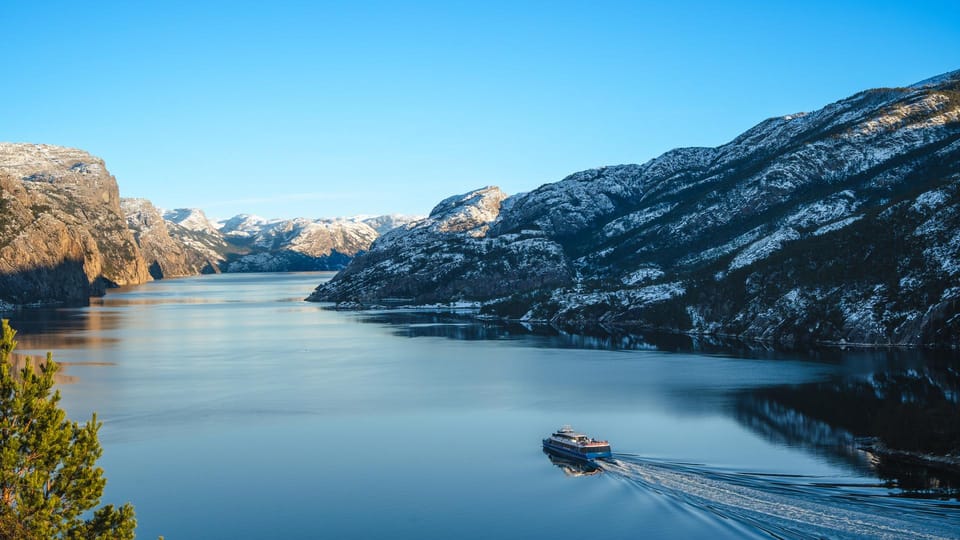
Electric Fjord Cruise to Lysefjord and Preikestolen

Electric Fjord Cruise to Lysefjord and Preikestolen

4.6 8536 reviews from $91

Sail silently aboard an eco-friendly boat along Lysefjord

Oslo Nature Walks: Island Hopping Tour

Oslo Nature Walks: Island Hopping Tour

4.8 2787 reviews from $68

Discover Oslo's excellent coastal scenery on an island-hopping tour.
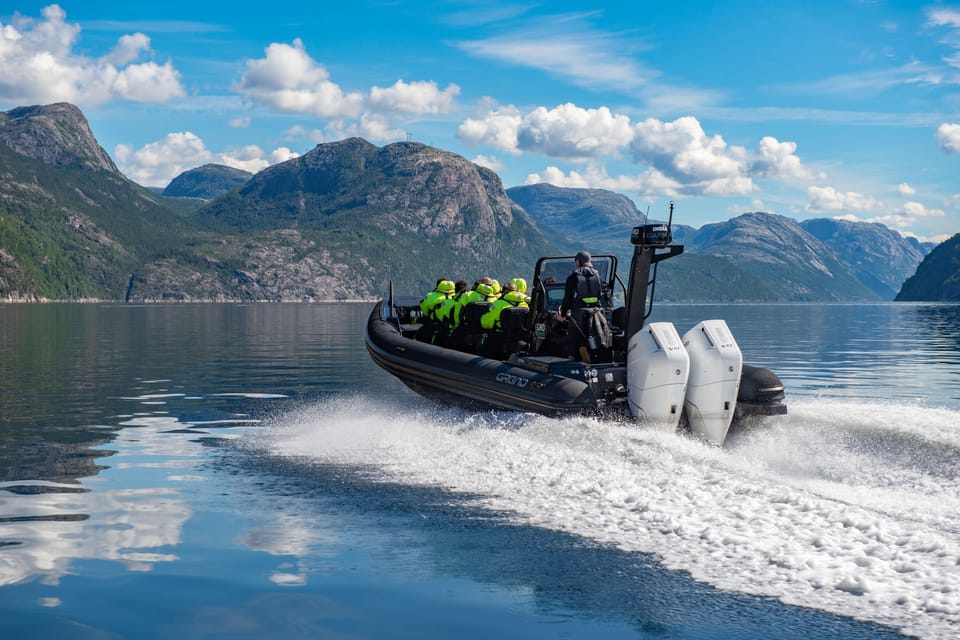
RIB Tour to Lysefjord

RIB Tour to Lysefjord

4.9 1318 reviews from $143

Explore Norways impressive nature up close

Scenic Fjord Cruise with Audio Guide Commentary

Scenic Fjord Cruise with Audio Guide Commentary

4.5 5560 reviews from $44

Take a cruise and explore the inner parts of Oslofjord on an electric ship.
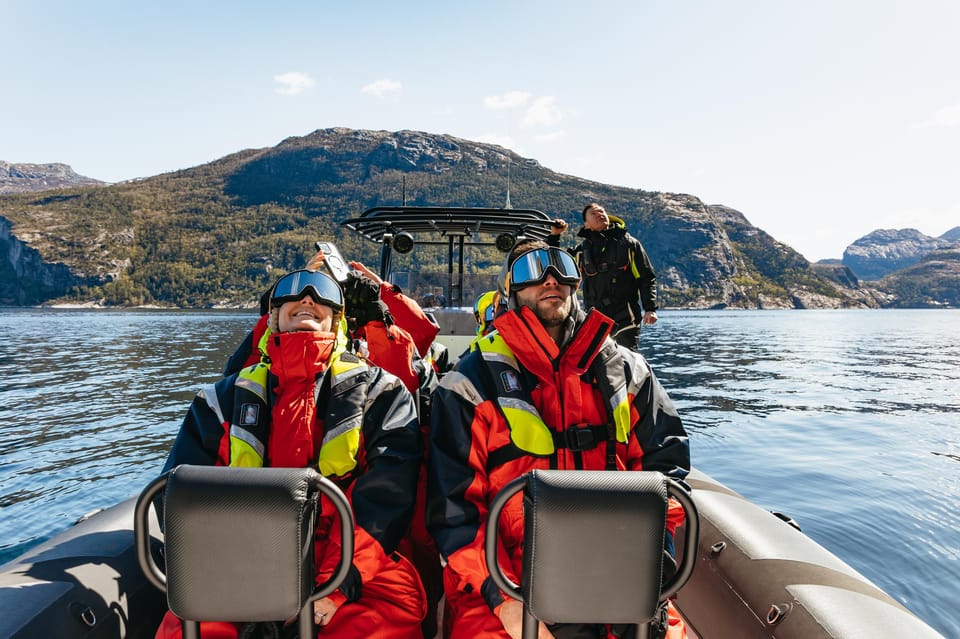
Lysefjorden and Pulpit Rock RIB Boat Tour

Lysefjorden and Pulpit Rock RIB Boat Tour

4.9 1186 reviews from $143

A front-row seat to one of Norways most famous fjords

Explore Activities in Norway

Didn't see anything interesting yet?

Browse Viator's full catalog of tours, day trips, food experiences, and private guides in Norway.

See All Norway Tours on Viator

Frequently Asked Questions

What Is Norway's Nightlife Like?

Norway's nightlife centers on Oslo, Bergen, and Trondheim, with craft cocktail bars, live music venues, and late-night clubs open until 3 a.m. on weekends. Expect high drink prices, beer runs 90-120 NOK ($8-11) at bars, cocktails 150-200 NOK ($14-19), and a more reserved vibe than Southern Europe until after midnight. Most Norwegians pre-drink at home before heading out around 11 p.m., and many venues require age 20+ entry even though the legal drinking age is 18.

Where Is the Best Nightlife in Norway?

Oslo's Grünerløkka and Youngstorget districts offer the densest concentration of bars and clubs, including Jaeger, Dattera til Hagen, and techno venue Jaeger. Bergen's waterfront Bryggen area and the streets around Ole Bulls plass host live music bars like Garage and student-friendly spots that stay lively Thursday through Saturday. Tromsø punches above its size with Rorbua Pub and several late-night clubs popular with both locals and Northern Lights tourists.

Is Nightlife in Norway Expensive?

Yes, Norway has some of Europe's priciest nightlife due to high alcohol taxes and wages. A standard beer costs 90-120 NOK at bars, cocktails run 150-200 NOK, and club entry fees range 100-200 NOK on weekends. Many locals buy drinks at Vinmonopolet (the state liquor store) and pre-drink at home, where a six-pack costs about what two beers would at a bar.

What Time Does Nightlife Start in Norway?

Bars open around 4-6 p.m., but Norwegians typically don't arrive until 10-11 p.m. after pre-drinking at home. Clubs open their doors around 11 p.m. and fill up after midnight, with peak energy between 1-3 a.m. on Fridays and Saturdays. Most venues stop serving alcohol at 3 a.m. and close by 3:30 a.m., though a handful of after-hours spots in Oslo stay open until 6 a.m.

Can You Drink Alcohol in Public in Norway?

No, public drinking is illegal throughout Norway, with on-the-spot fines starting at 5,000 NOK ($470) if caught. Parks, streets, beaches, and public transport are all off-limits. You'll need to drink indoors at bars, restaurants, or private residences.

What Is the Legal Drinking Age for Nightlife in Norway?

You can buy beer and wine at 18, but most nightclubs and many bars enforce a 20+ or even 23+ door policy regardless of the legal age. Spirits require age 20 to purchase at Vinmonopolet. Always carry photo ID, bouncers card liberally, even if you're clearly over 30.

Does Norway Have Good Live Music Venues?

Yes, Oslo's Rockefeller Music Hall, John Dee, and Blå host international and Scandinavian acts across rock, jazz, electronic, and indie genres. Bergen's USF Verftet (a converted sardine factory) and Garage offer live shows most weekends, while Tromsø's Kulturhuset and Verdensteatret book both local bands and touring acts. Cover charges run 150-400 NOK depending on the artist.

What Should I Wear for a Night Out in Norway?

Oslo clubs lean smart-casual, dark jeans or trousers, collared shirts or blouses, and clean sneakers or boots work at most venues, though upscale spots like The Thief bar expect dressier attire. Avoid sportswear, tracksuits, and heavily branded athletic gear, which bouncers often turn away. In winter, check your coat at the door; Norwegian venues provide free or cheap coat-check, and you'll overheat inside if you don't use it.

Are There Gay-friendly Nightlife Spots in Norway?

Norway is one of Europe's most LGBTQ-friendly countries, with Oslo's London Pub (the city's oldest gay bar) and Elsker nightclub hosting regular events, plus mixed venues like Blå and clubs in Grünerløkka welcoming everyone. Bergen's Fincken Bar and Tromsø's scattered LGBTQ events (check local Facebook groups) offer smaller-scale options. Most mainstream bars and clubs are explicitly inclusive.

Can I Find Late-night Food After Clubbing in Norway?

Yes, but options thin out after 2 a.m. Oslo's 7-Eleven and Deli de Luca convenience stores stay open 24/7 and sell hot dogs, baguettes, and pizza slices. Illegal Burger in Oslo serves until 5 a.m. on weekends, and kebab shops near Youngstorget stay open past 3 a.m. Bergen and Tromsø have fewer after-hours choices, grab food before midnight or settle for convenience-store fare.

Is It Easy to Meet Locals During a Night Out in Norway?

Norwegians are reserved sober but warm up after a few drinks, in smaller cities like Bergen and Tromsø where the bar scene is tight-knit. Joining a table at a pub after 11 p.m., striking up conversation near the bar, or attending live music events works better than approaching strangers cold. English fluency is near-universal, so language won't be a barrier.