
What to Pack for Norway
Complete packing checklist tailored to Norway's climate and culture
Climate Overview for Norway
Norway's climate delivers cold, damp conditions throughout the year, with temperatures often lingering near freezing even in summer months along the coast and fjords. You will feel the sharp bite of wind coming off the North Sea. Low clouds cling to steep mountain valleys. The air carries the clean, mineral scent of rain and pine forests. This consistent chill means your packing for Norway must prioritize insulation and waterproof protection above all else. Choose layers that manage moisture from both precipitation and physical activity. Daylight hours shift dramatically, from near-constant summer sun to brief winter twilight. This swing dictates what you need to see and navigate.
Clothing & Footwear

This lightweight puffer is indispensable for Norway's biting coastal winds and sudden temperature drops. It shines when waiting for ferries or viewing glaciers. The jacket compresses into its own pocket. That saves important luggage space.
Merino wool manages moisture and retains warmth even when damp from Norway's persistent dampness or sweat from hiking. It resists odors. Multiple wears between washes suit extended trips.

Essential for navigating Norway's terrain. They grip slick cobblestone streets in Bergen. They bite into muddy forest trails. They steady you on wet rocks near waterfalls. A secure, waterproof sole prevents cold, soaked feet.

Provides an important insulating layer under your shell jacket for Norway's variable conditions. It is good for active days when you generate heat but need to trap it against the cool air.

Wool socks are non-negotiable for Norway. They wick moisture away from your feet. This prevents blisters during long days of exploration. They provide critical insulation inside your boots.

Protect your hands from the stinging cold while allowing you to operate a phone camera without exposure. Necessary for handling metal railings on scenic overlooks. They help when adjusting ski lift tickets.

A significant amount of body heat escapes from the head. A wool beanie is important for staying comfortable during fjord cruises. It also helps while walking through Oslo's frosty winter streets.
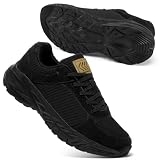
For days spent primarily in Norway's cities and museums, a supportive pair of walking shoes saves your feet from fatigue on hard surfaces. They offer more style versatility than hiking boots.

Synthetic or bamboo fabrics dry overnight in Norway's indoor heating. This allows you to pack less. They manage moisture effectively during active days exploring Norway's landscapes.
Electronics & Gadgets

Norway uses Type C and F plugs with 230V power. A universal adapter with these prongs ensures you can charge devices in hotels, cabins, and airports across the country.

Battery life drains quickly in Norway's cold. You may be away from outlets for long periods while hiking or on scenic train journeys. This keeps your phone and camera operational for navigation and photos.

Durable, braided cables withstand the rigors of travel. Having multiple cables allows simultaneous charging of a phone, power bank, and camera in your accommodation.
These create a quiet sanctuary during long flights to Norway and on trains like the Bergen Railway. You can enjoy audiobooks or music while blocking out engine noise.
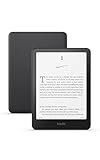
The glare-free screen is good for reading during Norway's long summer evenings under the midnight sun. It is also good for cozying up indoors during the dark winter. It saves luggage weight compared to physical books.
Toiletries & Health

A clear, quart-sized bag organizes your liquids for airport security. It also contains potential leaks from bottles pressurized during flights to Norway.

Essential for addressing minor cuts, blisters from hiking, or headaches while in remote areas of Norway. A pharmacy might not be immediately accessible.
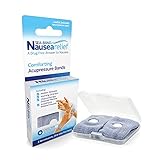
Highly recommended for Norway's famous but often winding fjord cruises. They also help on scenic mountain roads like Trollstigen and ferry crossings that can cause discomfort.

Solid bars eliminate liquid limits. They won't freeze in checked luggage. They are good for Norway's eco-conscious ethos, reducing plastic waste.

Keeps medications secure and organized across time zone changes in Norway. This ensures you never miss a dose during long days of travel.
Documents & Security
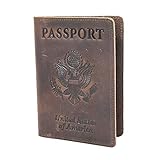
Protects your passport and credit cards from digital theft. It keeps these critical documents organized and dry in Norway's rainy weather.

While Norway is typically safe, a money belt provides discreet security for cash, a backup credit card, and your passport. This is useful in crowded tourist areas in Oslo.

Secure your checked luggage during flights and while stored at accommodations. Useful for locking lockers in hostels or train stations in Norway.
Comfort & Convenience
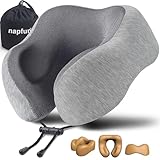
Provides essential support for sleeping during long flights to Norway. It also helps on extended train or bus journeys through the countryside.

Important for blocking out the midnight sun during summer visits to Norway. This allows for rest even when it's light at 2 AM.

Help ensure rest in Norway's cities where summer street activity continues late. They also help in accommodations with thin walls and block noise on public transport.

Useful on chilly flights. They add an extra layer of warmth in Norway's sometimes drafty historic hotels or mountain cabins.
Saves space when empty. Norway has excellent tap water. Refilling this bottle is economical and reduces plastic use while hiking or sightseeing.
Outdoor & Hiking Gear

Provide stability and reduce knee strain on Norway's steep, often wet and rocky trails. Examples include those leading to Pulpit Rock or hiking in Jotunheimen National Park.
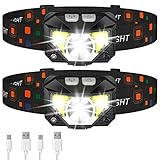
Essential for winter visits to Norway with limited daylight. It is also useful for early morning summer hikes. It keeps your hands free for navigating trails or setting up a camera.

A safety essential for hiking in Norway's remote wilderness. The whistle can signal for help in valleys where phone service fails. The compass provides basic orientation.
Seasonal Packing Adjustments
What to add or skip depending on when you visit
Winter
November, December, January, February, March
Add: Heavier insulated gloves, Neck gaiter or balaclava, Ice grips for shoes, Thermal insoles for boots
Shop Winter essentials →Skip: Lightweight walking shoes
Prioritize extreme insulation. Pack multiple base layers and a heavyweight down jacket. Waterproof outer layers are still critical for snow and slush. The headlamp is absolutely essential due to very short daylight hours.
Summer
June, July, August
Add: Sunglasses with UV protection, Lightweight long-sleeve shirt for sun protection, Insect repellent
Shop Summer essentials →Skip: Heaviest weight base layers
Layer like a pro. Nights near the fjords stay cold. Midnight sun blinds without a mask. Bring rain shell. Summer showers surprise daily.
Shoulder Seasons
April, May, September, October
Add: Versatile mid-weight layers, Waterproof overtrousers
Shop Shoulder Seasons essentials →Norway throws every season at you in one day. Sun, sideways rain, wind, sudden snow above the tree line. The winning move is fast layers. Zip on, zip off. Repeat often.
Luggage Recommendation
Pack smart, not big. A 22-inch waterproof hardshell spinner plus a 40L travel backpack covers Norwegian airlines' tight rules and cobblestone streets. Compression cubes tame bulky sweaters. A digital luggage scale saves overweight fees on the flight home.
Shop Carry-On Luggage on AmazonPro Packing Tips
Practical advice from experienced travelers
Don't Pack
- Skip the ski boots unless you are flying into a resort. For normal winter city life in Norway, waterproof hiking boots with solid tread grip icy sidewalks and look fine in cafés. Lighter, smarter.
- Leave the beach towel at home. Hotels and guesthouses across Norway stock fresh linens. A thin quick-dry towel only earns its place if you are camping or sleeping in a hostel bunk.
- Bottled water is dead weight. Tap water in Norway tastes glacier fresh straight from the sink. Pack one sturdy reusable bottle and keep refilling it.
- Ditch the tux. Norway runs on laid-back style. A clean sweater and dark jeans count as smart casual even in Oslo or Bergen's top restaurants.
- Hairdryers stay behind. Most Norwegian hotels already have them. High-wattage gadgets can fry on the 230 V grid. Leave them home.
- Cash is obsolete. Cards rule every kiosk, ferry ticket machine, and public toilet in Norway. Bring one credit and one debit card. Done.
Buy Locally
- Skip roaming gouging. Grab a local SIM or eSIM at Narvesen or 7-Eleven kiosks inside Oslo Airport Gardermoen or downtown hubs. Rates beat global plans.
- No need to haul heavy guidebooks. Pop into Norli bookstores in Oslo or tourist info desks for crisp, region-specific topographic maps. They update trails faster than apps.
- Save suitcase space. Buy genuine lusekofte sweaters or selbuvotter mittens in Norway. Husfliden shops and weekend craft stalls sell the real wool deal.
- Airlines hate ski bags. Rent skis, boards, and poles at mountain hubs like Geilo or Hemsedal. Gear is tuned, current, and you skip baggage carousel chaos.
Packing Hacks
- Roll clothes instead of folding to save space
- Pack shoes in shower caps to protect clothes
- Use packing cubes to stay organized
- Keep essentials in your carry-on
Continue Planning Your Trip
More guides to help you prepare
Ready to plan your trip to Norway?
Now that you've got the research covered, here's where to go next.